SUBNAUTICA – COMPLETE TIPS & GUIDES TO SURVIVE, EXPLORE, AND MASTER THE OCEAN WORLD
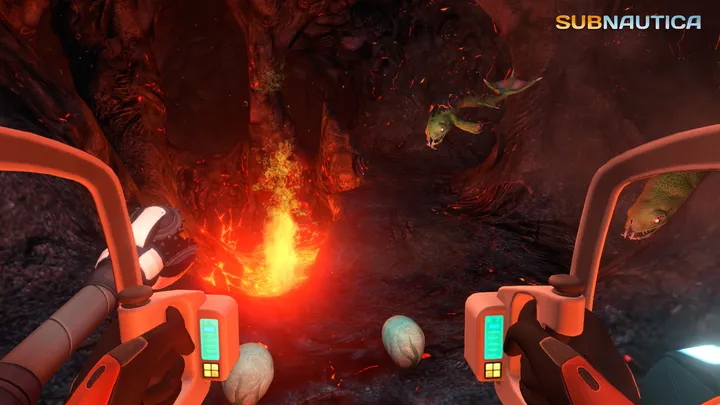
Subnautica is one of the most immersive survival experiences ever created. Developed by Unknown Worlds Entertainment, the game places players on the alien ocean planet 4546B after the crash of the spacecraft Aurora. Alone in an unfamiliar underwater world filled with strange lifeforms, dangerous predators, and deep-sea mysteries, players must gather resources, craft equipment, build habitats, and uncover the secrets hidden beneath the waves.
Unlike many survival games focused on combat, Subnautica emphasizes exploration, preparation, and environmental storytelling. Fear comes not only from hostile creatures but from darkness, depth, and isolation. Every biome introduces new challenges, and progression depends on curiosity and smart planning. This complete Tips & Guides article walks through the full journey of the game—from early survival basics to advanced deep-sea exploration—helping players survive longer and explore with confidence.
<h2>1. Understanding the Core Survival Mechanics</h2>
Subnautica revolves around four main survival systems: oxygen, food, water, and health. Managing these resources is essential during the early game when equipment is limited.
Players begin with only a small lifepod and basic tools. Every expedition into the ocean must be carefully planned because running out of oxygen is one of the most common causes of death.
<h3>Main Survival Systems</h3>
- Oxygen management
- Hunger and thirst systems
- Resource gathering
- Crafting and progression
<h4>Core Survival Rule</h4>
Never explore deeper than your oxygen supply allows.
<h2>2. Early Game Priorities and First Crafting Goals</h2>
The first few hours of Subnautica are critical. Players should focus on basic survival tools before attempting large explorations.
Gathering titanium, copper, quartz, and bladderfish early provides the foundation for future progress.
<h3>Essential Early Crafting Items</h3>
- Scanner
- Survival knife
- Repair tool
- Oxygen tank
- Fins
<h4>Beginner Mistakes</h4>
- Exploring too far too early
- Ignoring food and water
- Entering dangerous biomes unprepared
Crafting the scanner early is especially important because scanning fragments unlocks blueprints for advanced technology.
<h2>3. Learning the Biomes and Safe Exploration</h2>
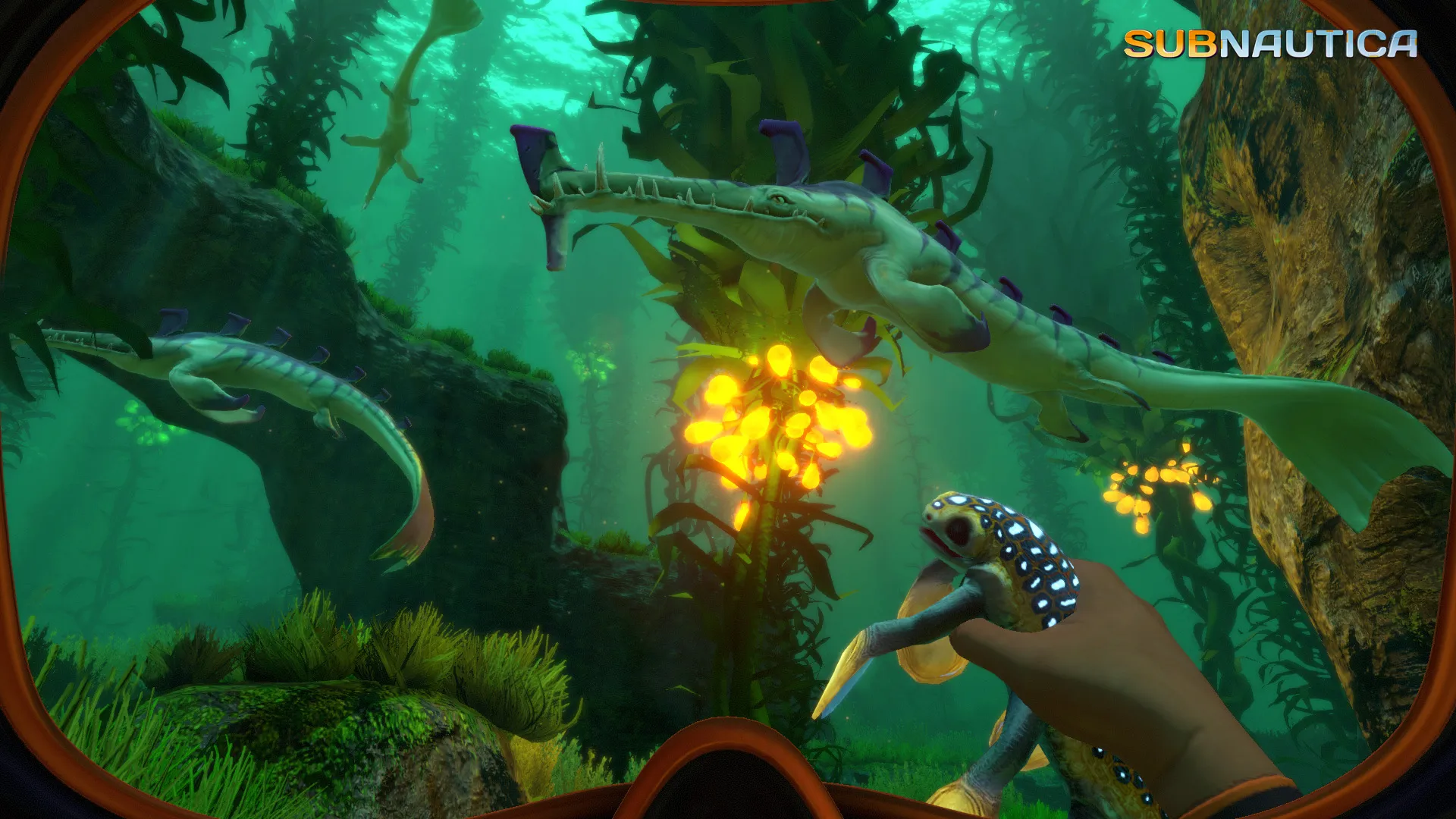
The world of Subnautica is divided into multiple biomes, each containing unique resources, dangers, and secrets.
Some biomes are relatively safe for beginners, while others contain aggressive predators capable of destroying vehicles.
<h3>Beginner-Friendly Biomes</h3>
- Safe Shallows
- Kelp Forest
- Grassy Plateaus
<h4>Dangerous Areas to Avoid Early</h4>
- Crash Zone
- Dunes
- Blood Kelp Zone
Understanding biome layouts helps players navigate efficiently and avoid unnecessary risks.
<h2>4. Mastering Oxygen and Underwater Movement</h2>
Oxygen management defines exploration in Subnautica. Early-game dives are limited, making efficiency crucial.
Players must constantly track distance from oxygen sources and avoid panic during deep dives.
<h3>Ways to Improve Oxygen Efficiency</h3>
- Upgrade oxygen tanks
- Use pipes and air pumps
- Build small outposts
<h4>Movement Tip</h4>
Avoid sprint swimming constantly—it wastes time and reduces control.
As equipment improves, players gain access to vehicles that dramatically expand exploration possibilities.
<h2>5. Building Your First Base Efficiently</h2>
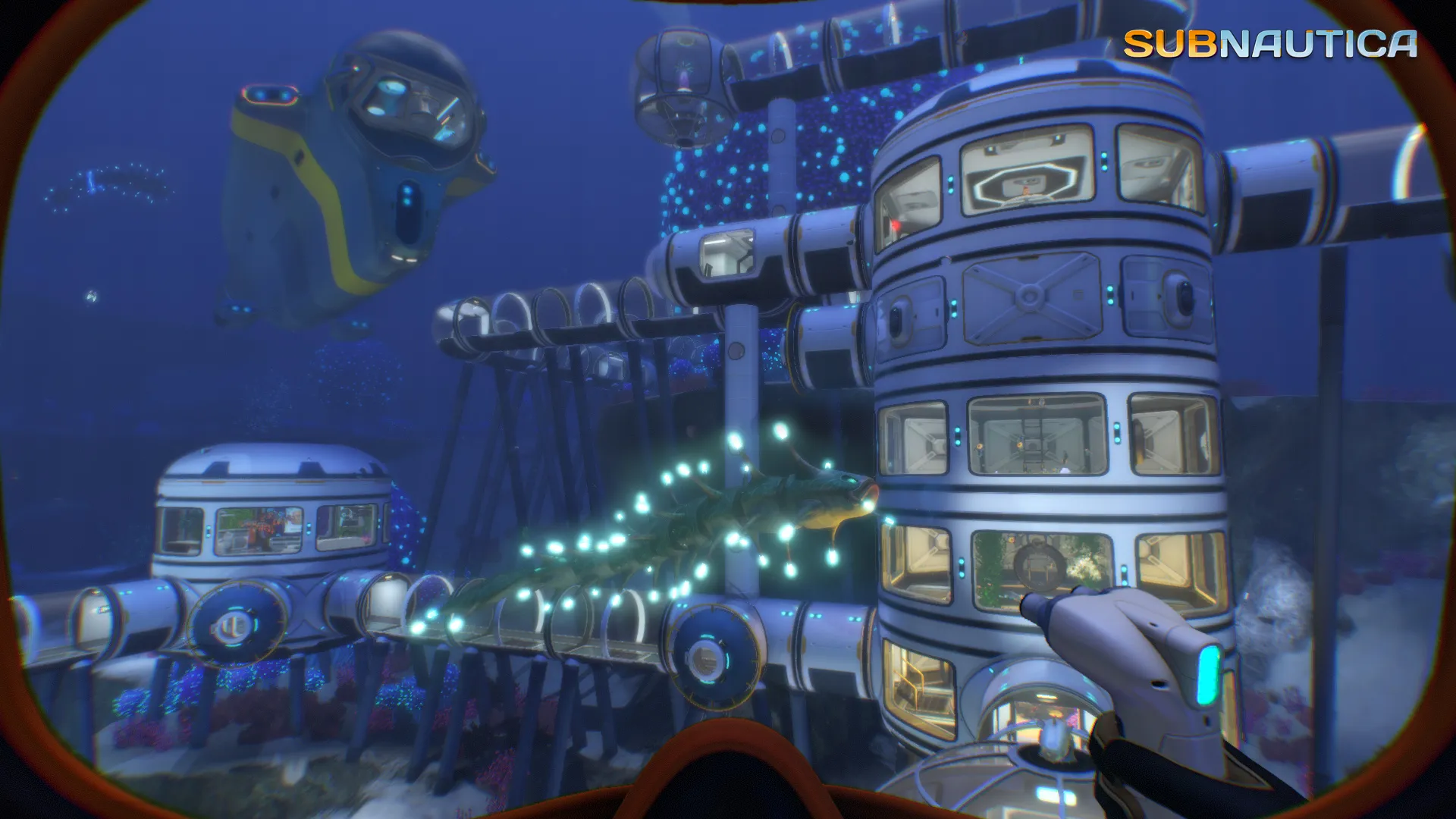
Base building is one of the most satisfying aspects of Subnautica. A good base provides storage, crafting access, energy generation, and safety.
Choosing the right location matters significantly.
<h3>Best Early Base Features</h3>
- Fabricator room
- Storage lockers
- Solar panels
- Battery charger
<h4>Ideal Base Locations</h4>
Build near essential resources and safe biomes.
A centrally located base reduces travel time and improves long-term efficiency.
<h2>6. Vehicle Progression and Exploration Expansion</h2>
Vehicles transform the Subnautica experience. They allow players to explore deeper, transport resources, and survive dangerous environments.
Each vehicle serves a different purpose.
<h3>Main Vehicles</h3>
- Seamoth
- Prawn Suit
- Cyclops submarine
<h4>Vehicle Strategy</h4>
Upgrade depth modules as soon as possible.
Without depth upgrades, vehicles become vulnerable in deeper biomes.
<h2>7. Surviving Dangerous Creatures and Threats</h2>
Subnautica’s ocean contains both passive and hostile creatures. While many lifeforms are harmless, others are extremely dangerous.
Aggressive predators often rely on sound and movement detection.
<h3>Common Dangerous Creatures</h3>
- Reaper Leviathan
- Ghost Leviathan
- Warpers
- Bonesharks
<h4>Survival Rule</h4>
Avoid unnecessary fights—escaping is usually smarter than attacking.
Most predators can be avoided through careful movement and awareness.
<h2>8. Mid-Game Resource Management and Upgrades</h2>
As players progress deeper into the game, resource management becomes more complex.
Rare materials are needed for advanced technology and vehicle upgrades.
<h3>Important Mid-Game Resources</h3>
- Lithium
- Magnetite
- Ruby
- Nickel ore
<h4>Inventory Management Tip</h4>
Carry only essential tools during deep expeditions.
Efficient inventory usage allows players to gather more valuable resources before returning home.
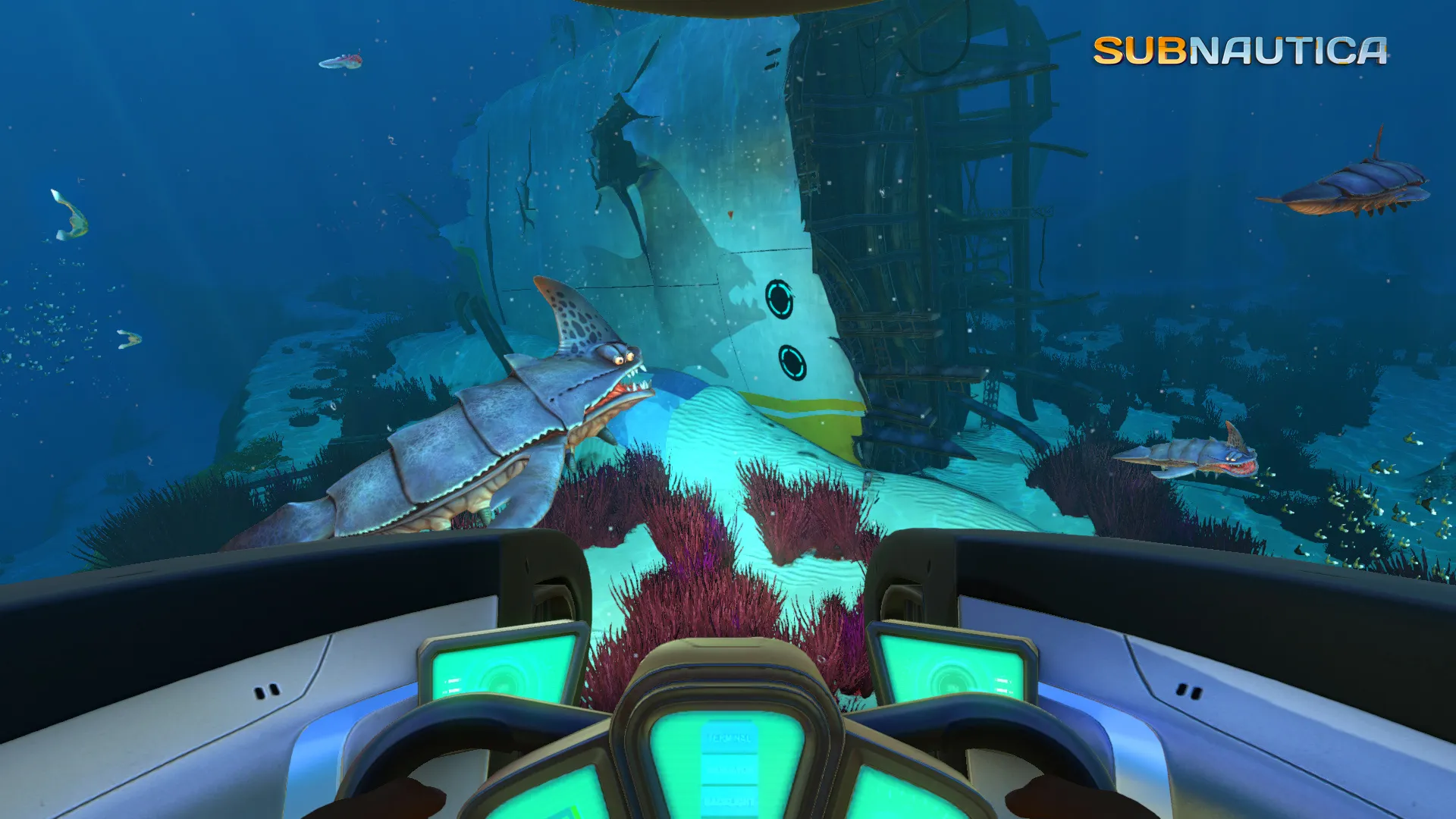
<h2>9. Deep Ocean Exploration and Story Progression</h2>
The deeper regions of Subnautica contain major story revelations and advanced crafting materials.
However, deep-sea exploration is psychologically intense due to darkness, isolation, and powerful predators.
<h3>Preparation for Deep Exploration</h3>
- Bring extra batteries
- Carry food and water
- Upgrade depth modules fully
<h4>Exploration Mindset</h4>
Preparation reduces fear and prevents avoidable deaths.
The deeper players travel, the more important planning becomes.
<h2>10. Endgame Strategy and Escaping Planet 4546B</h2>
The final phase of Subnautica focuses on uncovering the planet’s secrets, curing the infection, and preparing escape technology.
Endgame progression requires mastery of exploration, crafting, and resource management.
<h3>Late-Game Priorities</h3>
- Complete advanced blueprints
- Build endgame technology
- Prepare for final exploration zones
<h4>Mastery Principle</h4>
Patience and preparation are the keys to survival.
Subnautica rewards careful players who learn from every expedition.
<p>Conclusion</p>
Subnautica is more than a survival game—it is an unforgettable exploration experience that combines fear, discovery, and creativity into one immersive underwater journey. From managing oxygen during your first dives to navigating the deepest and most dangerous biomes, every step of progression teaches players to adapt and prepare.
By mastering resource gathering, efficient crafting, safe exploration, and vehicle upgrades, players can overcome the planet’s dangers and fully experience the mysteries hidden beneath the ocean surface. Whether you are a beginner struggling to survive or an experienced explorer searching for endgame secrets, applying the strategies in this guide will help you navigate the waters of 4546B with confidence.