.webp)








Introduction
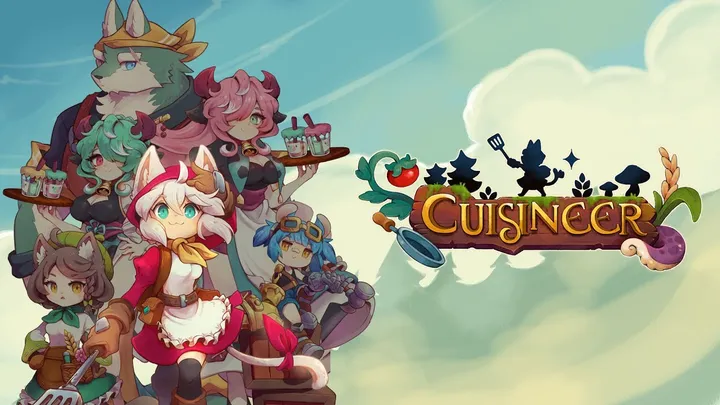
Cuisineer is a charming action roguelite that combines fast-paced dungeon exploration with restaurant management. As Pom, an aspiring restaurateur, you inherit your family's struggling restaurant and quickly discover that rebuilding the business requires much more than cooking delicious meals. You'll venture into dangerous biomes, defeat monsters, gather rare ingredients, craft equipment, and prepare dishes that attract increasingly demanding customers.
Unlike traditional cooking simulators, Cuisineer creates a satisfying gameplay loop where combat directly supports restaurant management. Every dungeon expedition provides ingredients, crafting materials, and valuable loot, while every successful day at the restaurant funds better equipment, new recipes, and business upgrades.
Many beginners focus exclusively on either combat or cooking, but long-term success requires balancing both activities. This guide walks you through every stage of the game, from opening your first restaurant to building a world-class dining destination.
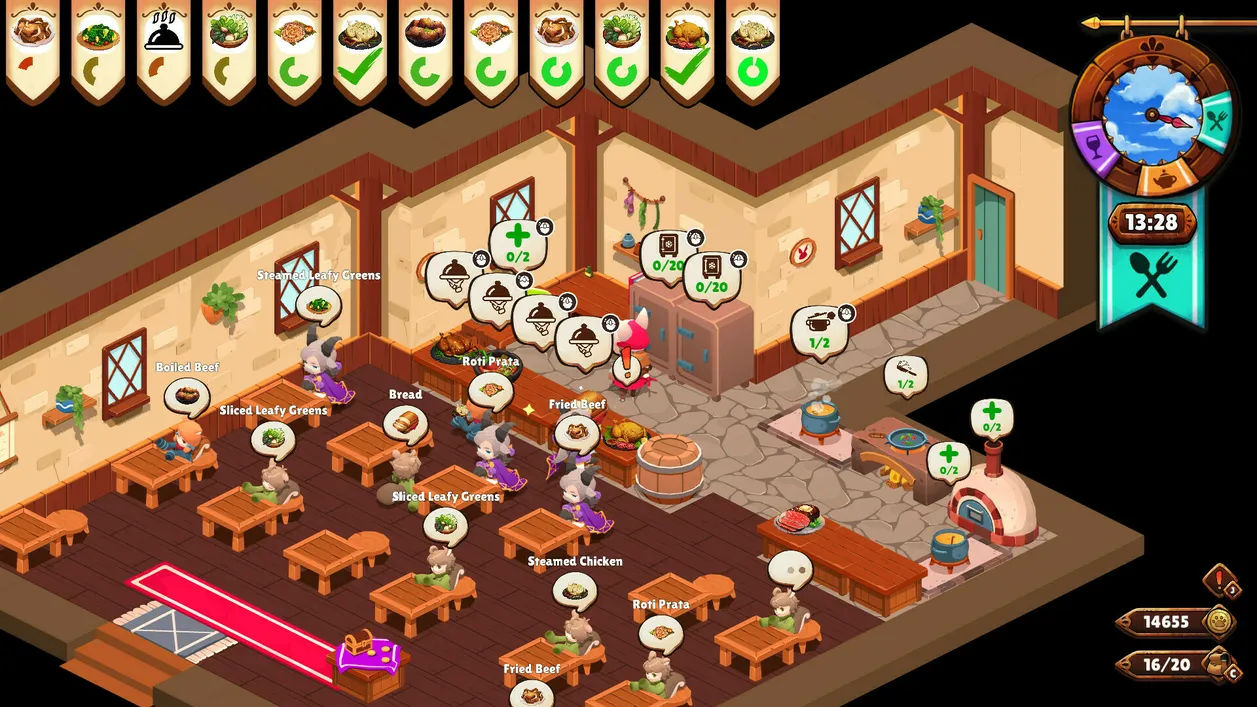
1. Upgrade Your Restaurant Before Decorating
When you begin earning money, it's tempting to spend everything on decorative furniture.
Although decorations improve your restaurant's appearance, functional upgrades provide much greater benefits during the early game.
Focus first on increasing efficiency rather than aesthetics.
Early Upgrade Priorities
- Additional dining tables
- Better cooking stations
- Larger ingredient storage
- Kitchen improvements
- Faster preparation equipment
Why Functionality Matters
A restaurant that serves customers quickly earns more money than one that simply looks attractive.
Profits generated from efficient operations can later fund cosmetic improvements.
2. Learn Every Dungeon Biome
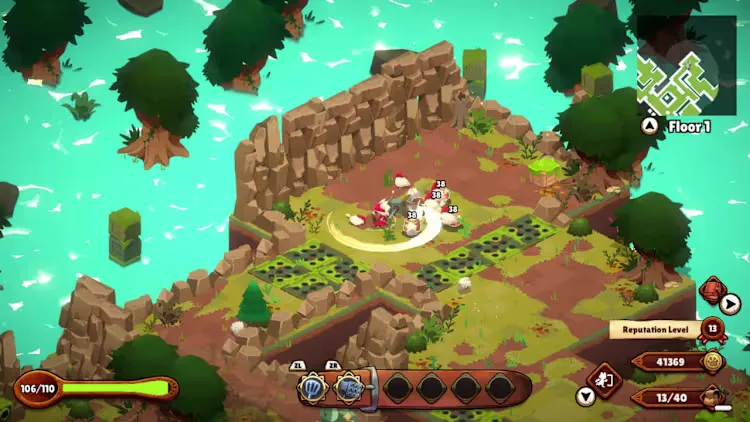
Dungeons are your primary source of ingredients.
Each biome contains unique monsters, plants, minerals, and cooking materials that cannot be found elsewhere.
Many beginners repeatedly explore the same dungeon because it feels familiar.
Benefits of Exploring Multiple Biomes
- New ingredients
- Better crafting materials
- Stronger equipment
- Recipe variety
- Faster progression
Exploration Tips
Always pay attention to the ingredients dropped by enemies.
Different recipes require products gathered from specific environments.
3. Keep a Balanced Inventory
Inventory management becomes increasingly important as the game progresses.
Many players fill every storage slot with common ingredients while accidentally selling or discarding rare materials.
Maintaining a balanced inventory prevents future shortages.
Always Keep
- Basic vegetables
- Meat
- Seafood
- Crafting materials
- Healing supplies
Avoid
- Selling every rare ingredient.
- Carrying excessive duplicates.
- Ignoring storage upgrades.
A well-organized inventory supports both cooking and crafting.
4. Upgrade Your Combat Equipment Frequently
Dungeon exploration becomes significantly more difficult without proper equipment.
Many players invest all their profits into the restaurant while neglecting combat upgrades.
Since dungeon rewards directly influence restaurant success, improving combat efficiency should remain a priority.
Equipment Priority
- Primary weapon
- Armor
- Accessories
- Healing items
- Utility upgrades
Benefits of Better Equipment
- Faster dungeon clears
- Higher survival rate
- More ingredient collection
- Greater overall efficiency
Combat upgrades quickly pay for themselves through improved resource gathering.
5. Master Ingredient Management
Every successful restaurant depends on reliable ingredient supplies.
Running out of popular ingredients during service reduces customer satisfaction and limits menu options.
Many beginners cook every available recipe without considering inventory levels.
Smart Ingredient Strategy
- Keep reserve ingredients.
- Restock after every expedition.
- Prioritize popular recipes.
- Avoid wasting rare materials.
Ingredient Categories
- Vegetables
- Fruits
- Seafood
- Meat
- Herbs
- Specialty ingredients
Planning ahead ensures your kitchen remains productive.
6. Expand Your Recipe Collection
New recipes increase menu diversity and customer satisfaction.
Offering only a few dishes limits your restaurant's earning potential.
Many players ignore recipe progression while focusing solely on equipment.
Ways to Unlock Recipes
- Story progression
- Exploration
- NPC interactions
- Special events
- Ingredient discoveries
Why Recipe Variety Matters
Different customers prefer different meals.
A larger menu attracts wider audiences while improving long-term profitability.
7. Optimize Restaurant Workflow
As your restaurant grows, efficient organization becomes increasingly important.
Poor kitchen layouts force unnecessary movement and slow customer service.
Layout Tips
- Place cooking stations close together.
- Keep ingredient storage nearby.
- Leave clear walking paths.
- Expand seating carefully.
Common Mistakes
- Crowded kitchens.
- Poor table placement.
- Excessive walking distance.
- Inefficient storage organization.
A well-designed restaurant serves more customers with less effort.
8. Balance Dungeon Runs and Restaurant Days
Cuisineer's core gameplay revolves around alternating between exploration and restaurant management.
Many beginners spend too many consecutive days in one activity.
Good Weekly Routine
- Explore dungeons.
- Gather ingredients.
- Upgrade equipment.
- Open restaurant.
- Restock inventory.
Why Balance Matters
Exploration supplies the restaurant, while restaurant profits improve exploration.
Ignoring either side eventually slows progression.
Maintaining this cycle creates steady long-term growth.

9. Prepare for Difficult Boss Battles
Each biome eventually introduces powerful bosses.
These encounters often require better equipment, healing supplies, and knowledge of enemy attack patterns.
Many players rush into boss fights without sufficient preparation.
Boss Preparation Checklist
- Upgrade weapons.
- Carry healing food.
- Learn movement patterns.
- Empty unnecessary inventory.
Boss Strategy Tips
Stay Mobile
Constant movement reduces incoming damage.
Learn Attack Windows
Patience often deals more damage than reckless aggression.
Upgrade Before Returning
If a boss feels overwhelming, improve your equipment first.
Preparation is usually more valuable than persistence alone.
10. Optimize Your Restaurant for the Endgame
The late game focuses on maximizing efficiency, profits, and customer satisfaction.
Large restaurants require careful planning to operate smoothly.
Endgame Goals
- Unlock every recipe.
- Fully upgrade equipment.
- Maximize restaurant capacity.
- Complete ingredient collections.
- Defeat every major boss.
Advanced Optimization Tips
Maintain Large Ingredient Stocks
Popular dishes should always remain available.
Improve Kitchen Efficiency
Reduce preparation time wherever possible.
Upgrade Continuously
Even small improvements increase long-term profits.
Plan Expeditions Around Menu Needs
Gather ingredients based on upcoming restaurant demands.
An efficient restaurant and a powerful adventurer support each other perfectly.
Conclusion
Cuisineer successfully combines fast-paced roguelite combat with satisfying restaurant management, creating a gameplay loop where exploration and cooking constantly reinforce one another. Gathering ingredients from dangerous dungeons, discovering new recipes, upgrading equipment, and serving happy customers all contribute to the steady growth of your family restaurant.
By prioritizing functional upgrades, maintaining balanced inventories, expanding your recipe collection, improving combat equipment, organizing your kitchen efficiently, and balancing dungeon exploration with restaurant operations, you'll build a thriving business capable of serving every customer while conquering every biome. Whether your goal is mastering every recipe or creating the most successful restaurant in the world, these strategies provide the foundation for long-term success.