





Popular Now
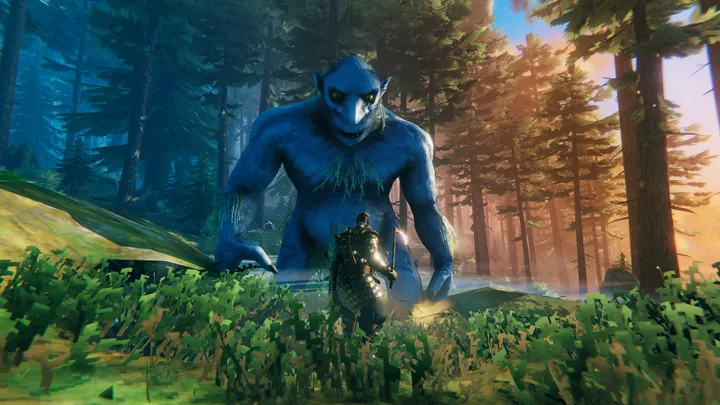
Valheim is not a typical survival game. Instead of overwhelming players with complex systems from the start, Valheim blends exploration, combat, and progression into a slow-burning Viking journey where preparation, knowledge, and decision-making matter more than raw reflexes.
Success in Valheim is not determined by speed alone, but by understanding biomes, managing resources efficiently, mastering combat fundamentals, and respecting the dangers of the world. Players who rush blindly are punished, while those who plan carefully thrive.
This comprehensive Tips & Guides article is designed to help players progress from fragile survivors struggling against Greylings into confident Vikings capable of conquering bosses and thriving in the harshest biomes. Organized by progression and gameplay flow, this guide covers survival fundamentals, combat mechanics, base building, exploration strategy, resource management, and late-game optimization. Whether you play solo or cooperatively, this guide will help you survive, build, and dominate Valheim.
H2 1. Understanding Valheim’s Core Survival Philosophy
At its core, Valheim is a preparation-based survival game. Unlike action-heavy survival titles, Valheim rewards patience, planning, and learning from failure.
Every biome introduces stronger enemies and environmental threats. Entering a new area without proper gear and food almost guarantees death.
H3 Core Survival Rules
- Preparation beats reaction
- Food buffs define your combat effectiveness
- Biome progression is non-negotiable
H4 Why This Matters
Players who skip upgrades or rush bosses often hit progression walls. Valheim is designed to be played methodically, not recklessly.
H2 2. Early Game Survival and First-Day Priorities
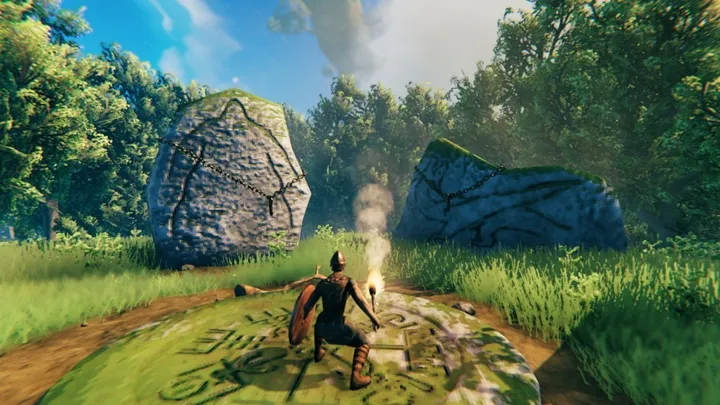
The early game sets the foundation for your entire playthrough. Poor early decisions lead to unnecessary deaths and wasted time.
Your first goal is stability: shelter, food, and basic tools.
H3 Early Game Essentials
- Build a small shelter before nightfall
- Craft basic weapons and a shield
- Cook food instead of eating raw ingredients
H4 Early Game Goal
Survive comfortably, not efficiently. A safe base and consistent food supply matter more than rapid exploration.
H2 3. Combat Fundamentals: Blocking, Dodging, and Stamina
Combat in Valheim is deceptively simple but heavily stamina-based. Most deaths come from stamina mismanagement rather than low damage.
Blocking and parrying are core mechanics that dramatically reduce incoming damage.
H3 Combat Basics to Master
- Parry with shields to stagger enemies
- Manage stamina before engaging
- Avoid fighting multiple enemies early
H4 Practice Recommendation
Learn enemy attack patterns in Meadows and Black Forest before progressing. Combat knowledge scales better than gear alone.
H2 4. Weapon Types, Strengths, and Use Cases
Each weapon type serves a specific role. There is no universally “best” weapon—only better choices for different situations.
H3 Common Weapon Categories
- Clubs for skeletons and blunt damage
- Spears for range and precision
- Axes for utility and combat
H4 Weapon Flexibility
Carry multiple weapons. Adapt your loadout based on enemy type and biome rather than personal preference.
H2 5. Food, Buffs, and Character Progression
Food is the most important system in Valheim. Your health and stamina are entirely determined by what you eat.
Ignoring food variety severely limits combat potential.
H3 Food Management Basics
- Always eat three different foods
- Balance health and stamina bonuses
- Upgrade cooking stations early
H4 Common Mistake
Many players underestimate food and overestimate armor. In Valheim, food is power.
H2 6. Base Building and Structural Efficiency
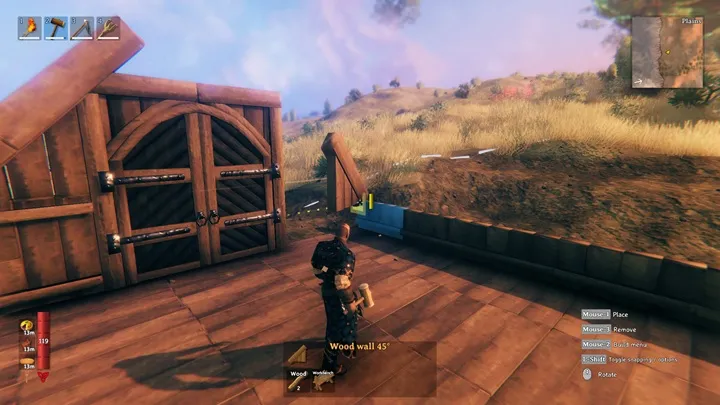
Bases are not just cosmetic—they provide safety, crafting progression, and logistical efficiency.
Understanding the building system saves resources and time.
H3 Base Building Priorities
- Centralize crafting stations
- Use structural support correctly
- Build near key resources
H4 Long-Term Tip
Plan your base layout early. Rebuilding later is far more expensive than thoughtful initial design.
H2 7. Resource Management and Inventory Control
Valheim’s inventory is limited by design. Efficient resource handling reduces frustration and travel time.
H3 Resource Best Practices
- Label storage clearly
- Process materials before hoarding
- Use portals strategically
H4 Inventory Discipline
Do not carry everything “just in case.” Travel light and with purpose.
H2 8. Exploration Strategy and Biome Progression
Exploration drives progression, but reckless exploration leads to repeated deaths.
Each biome is a difficulty spike that must be respected.
H3 Exploration Guidelines
- Scout new biomes during daytime
- Mark points of interest on the map
- Retreat when overwhelmed
H4 Risk Assessment
Running away is not failure. Survival is progress.
H2 9. Cooperative Play and Role Distribution
In multiplayer, specialization dramatically increases efficiency. Teams that divide responsibilities progress faster and die less.
H3 Effective Team Roles
- Builder and base manager
- Explorer and mapper
- Combat specialist
H4 Team Coordination
Communicate goals before each expedition. Disorganized teams waste time and resources.
H2 10. Late-Game Preparation and Boss Strategy
Late-game content in Valheim demands preparation more than reflexes. Boss fights punish poor planning harshly.
H3 Boss Fight Essentials
- Prepare resistance meads
- Clear the arena beforehand
- Bring backup gear
H4 Winning Mindset
Bosses are tests of preparation, not raw skill. If you fail, prepare better and return stronger.
Valheim is a game of patience, respect, and mastery. By understanding its survival philosophy, managing resources intelligently, mastering combat fundamentals, and approaching progression deliberately, players can transform a brutal world into a thriving Viking domain.
Progress in Valheim is earned through preparation and persistence—but the reward is one of the most immersive survival experiences available.
Raise your axe, honor the gods, and carve your saga into Valhalla.